
Renovating your kitchen or bathroom is one of the most effective ways to enhance your home’s value and comfort. A key aspect of these remodels lies in selecting the right tiles, as they significantly impact both aesthetics and durability. In this guide, we’ll explore all you need to know to confidently choose the perfect tiles for your kitchen or bathroom.
Understanding Tile Types and Materials
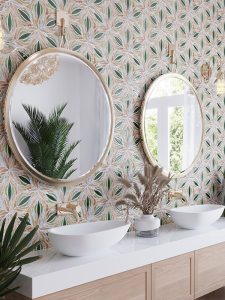 Understanding the types of materials used in kitchen and bathroom tiles is fundamental to achieving both the visual appeal and the practical performance your remodel demands. Each tile material comes with its own unique set of properties, which determine its suitability for various spaces and applications. By carefully considering characteristics like durability, water resistance, and maintenance needs, you can more confidently choose the right tiles for your kitchen or bathroom project.
Ceramic tiles are widely used for both walls and floors because of their affordability, versatility, and availability in a vast range of colors and patterns. Ceramic is made from natural clay that is kiln-fired, and often has a protective glaze. Glazed ceramic tiles are particularly advantageous in wet environments, offering notable water resistance, which makes them a go-to option for backsplashes, walls, and light-traffic bathroom floors. However, they may not be as durable as other options for high-traffic kitchen floors, as they can chip or crack under stress.
Porcelain tiles, a subtype of ceramic, are denser and less porous due to being fired at higher temperatures. This makes them extremely resilient, highly water-resistant, and suitable for both kitchen and bathroom floors, walls, and even wet zones such as shower enclosures. Porcelain tiles are also available in a variety of finishes, including glazed, matte, and textured, making them suitable for different safety and design requirements. Their low water absorption rate makes porcelain a standout for bathrooms and areas prone to spills or splashes.
Natural stone tiles—such as marble, granite, limestone, and slate—offer unique veining and texture, giving each installation a bespoke look. Marble, with its classic beauty, is popular in bathrooms and as a luxurious kitchen backsplash, but it’s softer and more porous than granite, making it more susceptible to staining and etching. Granite, by contrast, is exceptionally hard and better resists wear and staining, making it well-suited to busy kitchen floors. All natural stone tiles, however, require regular sealing and a higher level of maintenance to preserve their appearance and guard against moisture penetration, which can compromise both aesthetics and durability over time.
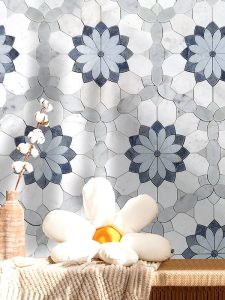
Glass tiles are another attractive choice, particularly for backsplashes and accent walls. Their glossy finish reflects light, which can brighten darker rooms or smaller spaces—an asset in both kitchens and bathrooms. Glass tiles are impermeable to water and easy to clean, but they are more prone to scratching and can be slippery if installed on floors. Because of this, they’re best reserved for walls or decorative details.
Other materials, such as metal and cement tiles, offer modern or industrial aesthetics and are mostly used to achieve specific design statements. Cement tiles are highly durable and can be a striking choice for kitchen floors or feature shower walls. However, like stone, they need sealing to prevent moisture damage.
For floors in either space, prioritize slip resistance, especially in wet bathrooms. Tiles with textured finishes offer improved grip. Wall tiles can use almost any material, but lighter tiles like ceramic and glass are often preferable for easier installation and maintenance. Balancing durability, water resistance, and upkeep ensures your tile selection marries style with essential practicalities, supporting the design and functionality phases of your remodel.
Design and Style Considerations
Selecting the ideal tile design is pivotal in defining the style, ambiance, and overall success of your kitchen or bathroom remodel. Striking the right balance between visual appeal and practical function requires a thoughtful approach to color schemes, textures, patterns, and sizing choices, ensuring seamless integration with your space’s architectural and decor elements.
When considering color, begin by evaluating the mood you wish to evoke. Cool-tone tiles such as whites, greys, and blues lend a serene, clean effect—ideal for bathrooms seeking a sense of relaxation or kitchens aiming for freshness. Warm hues, including beiges, rich creams, and earthy taupes, create a welcoming and cozy environment. Bold colors are making a resurgence, especially in feature walls or backsplashes. For smaller rooms, lighter colors help bounce light, enhancing the feeling of openness, while darker shades can introduce intimacy in larger spaces. Always coordinate tile hues with cabinetry and countertop materials, ensuring a harmonious palette rather than abrupt contrasts.
Texture and finish play a significant role in both aesthetics and daily use. Glossy tiles reflect more light, boosting brightness—a boon for both compact bathrooms and kitchens with limited natural light—though they can show smudges more easily. Matte tiles, while more forgiving with water spots and fingerprints, tend to establish a softer, more understated feel. Consider tactile surface textures: smooth finishes simplify cleaning for splash-prone zones, while subtly textured or even three-dimensional tiles add depth and tactile interest, perfect for shower walls or decorative panels.
Patterns inject personality and can redefine a room’s dimensions. Linear layouts, such as the classic grid or modern stacked, maintain a clean and orderly appearance. Diagonal or herringbone designs introduce dynamism and movement, visually expanding narrow spaces or creating eye-catching focal points above ranges or vanities. Mosaics, composed of small tiles, are popular for intricate borders, accent strips, or shower floors where curves or slopes may be needed. Keep scale in mind: large-format tiles minimize grout lines—a practical advantage for easy cleaning and a look that makes rooms feel larger. Conversely, smaller tiles can emphasize detail and craftsmanship but may visually busy compact spaces if overused.
Current trends favor mixing shapes and sizes for custom looks—such as pairing elongated subway tiles with square accents, or framing larger slabs with intricate mosaics. Neutral monochromatic schemes remain timeless, but patterned tiles featuring art-deco geometrics, Moroccan motifs, or encaustic cement looks are increasingly favored for statement backsplashes or powder rooms.
Lighting profoundly affects how tile looks at different times of day. Assess your tile choices under actual room lighting, including under-cabinet or recessed fixtures. Reflective tiles amplify both natural and artificial light, ideal for dim spots. For open-plan kitchens, ensure tile choices softly transition into adjacent living areas to maintain cohesion.
Ultimately, successful tile selection blends creativity with context: consider how color, scale, and pattern interact with your existing floors, walls, cabinetry, and countertops. Coordinate finishes but don’t shy away from introducing unique textures or statement elements—a patterned backsplash, bold shower niche, or tactile accent wall can elevate the entire space. Keep both aesthetics and practicality in view, as the next step will be ensuring that your chosen tiles also perform reliably under real-life conditions.
Evaluating Tile Performance and Safety
Selecting tiles for your kitchen or bathroom remodel isn’t just about how they look—performance and safety features are critical in these high-traffic, moisture-prone environments. The right technical specifications will ensure your tile not only fits aesthetically but also stands up to the demands of daily use and provides a safe surface for your family.
One of the foremost technical considerations is slip resistance, especially vital for wet areas like bathroom floors, shower stalls, and even kitchen floors that may see frequent spills. Slip resistance is generally measured by the tile’s COF (Coefficient of Friction): higher values mean better grip. For residential bathrooms and kitchens, look for tiles rated at least 0.42 COF (according to the DCOF standard). Matte finishes, textured surfaces, and specifically designed anti-slip tiles can all enhance safety, whereas highly polished tiles may become hazardous when wet.
Another important factor is porosity, which determines how much water a tile absorbs. Bathrooms and kitchens both require tiles with low water absorption to prevent issues like staining, warping, or cracking over time. Porcelain tiles outperform most options due to their dense composition and low porosity, making them ideal for showers, backsplashes, or even countertops. Ceramic tiles, depending on their rating, can also be suitable but are generally less water-resistant than porcelain. Always check manufacturer specifications for water absorption rates, typically expressed as a percentage—under 0.5% is ideal for wet zones.
Stain resistance is next in line since splashes from food, soap, or cosmetics are inevitable. Glazed tiles offer superior stain protection, making them easier to clean and maintain, whereas unglazed or natural stone types often require sealing to keep stains at bay. If you love the look of natural stone, plan for regular maintenance and resealing to retain both appearance and performance.
How tiles respond to wear and heavy foot traffic is measured by the PEI (Porcelain Enamel Institute) rating, especially relevant for kitchen floors and busy bathrooms. A PEI rating of III or higher is generally recommended for these spaces—PEI IV and V tiles are engineered to endure even commercial-level foot traffic. Consider footfall patterns in your house and choose accordingly for a tile surface that won’t wear down or chip prematurely.
Grout selection impacts not only aesthetics but also practical performance. Epoxy grout is highly water- and stain-resistant, making it a good choice for both kitchens and bathrooms, though it may require professional installation due to its fast setting time. Cementitious grout is more common but should be sealed in wet areas to prevent water infiltration and mold growth. Wider grout joints may offer added slip resistance but can collect grime, so regular cleaning and periodic resealing are essential for hygiene and durability.
By focusing on technical criteria like slip resistance, porosity, stain resistance, wear rating, and grout selection, you can create a kitchen or bathroom that is not only beautiful but also safe, practical, and equipped for long-lasting use.
Making the Final Selection and Installation Tips
As you approach the final stage of selecting tiles for your kitchen or bathroom remodel, it’s important to synthesize the stylistic aspirations you have with practical considerations uncovered during the research process. Begin with a clear understanding of your budget. Realistically balance the allure of high-end materials against their installation expenses and ongoing maintenance commitments. Porcelain and ceramic options are often cost-effective while delivering both visual appeal and resilience. However, if your heart is set on natural stone or designer patterns, factor in not just the higher price per square foot, but also increases in labor and future sealing or cleaning requirements.
Ease of installation is another significant decision point. Large format tiles can minimize grout lines and create a sleek look in open kitchens, but they often require level, even subfloors and experienced installers due to their weight and the risk of cracking. Mosaic tiles lend themselves well to feature walls and intricate designs, but can be more labor-intensive to install, increasing both time and cost. Consider whether you’re undertaking a DIY installation or planning to hire professionals: while basic ceramic tiles on small surfaces may be an excellent DIY project, complex layouts, herringbone patterns, or natural stone cuts are typically best left to skilled tradespeople.
Think ahead about long-term care. Some textures and glazes beautifully mask water spots and smudges, while others require frequent upkeep to stay pristine. Glossier finishes can show fingerprints and soap scum more clearly in bathrooms, while matte or patterned tiles can hide everyday messes in busy kitchens. Make a short list of your preferred tiles and request samples. Viewing these samples in place, with your home’s lighting, will help you finalize your choice.
To facilitate your decision, use this checklist to evaluate each option:
- Budget: Does the tile fit my total project cost, including installation and long-term care?
- Visual Impact: Does this tile harmonize with my cabinetry, countertops, and fixtures?
- Maintenance: Am I willing to keep up with the cleaning and sealing needs?
- Installation: Can this tile be installed over my existing surface or will significant prep work be needed?
- Sample Review: Does the tile look good in my home’s lighting and scale?
Surface preparation is crucial—never skip proper cleaning and leveling. Old adhesives or unevenness can cause new tiles to lift, crack, or come loose. Choose adhesives recommended by both your tile and substrate manufacturer, such as modified thin-set mortars for porcelain, or breathable adhesives for natural stone. Grout selection should be dictated by tile size (unsanded for narrow lines, sanded for wider joints) and exposure to water; consider epoxy grouts for moisture-prone zones, though they are more challenging to work with.
When hiring professionals, check references and confirm they have experience with your chosen materials. DIY installers should carefully read manufacturer instructions, use spacers for uniformity, and avoid common missteps such as inadequate thin-set coverage or failing to clean excess grout before it dries. Rushing curing times can also undermine your project, so factor this into your project timeline. Attending to these details will help ensure your new kitchen or bathroom tile not only looks beautiful but stands up to years of daily use.
Conclusions
Choosing the right tile for your kitchen or bathroom remodel involves balancing material qualities, aesthetics, functionality, and safety. By understanding different tile types, design influences, and performance considerations, you can make informed decisions that enhance both the beauty and utility of these vital spaces. With careful planning and execution, your new tiles will offer lasting appeal and durability.